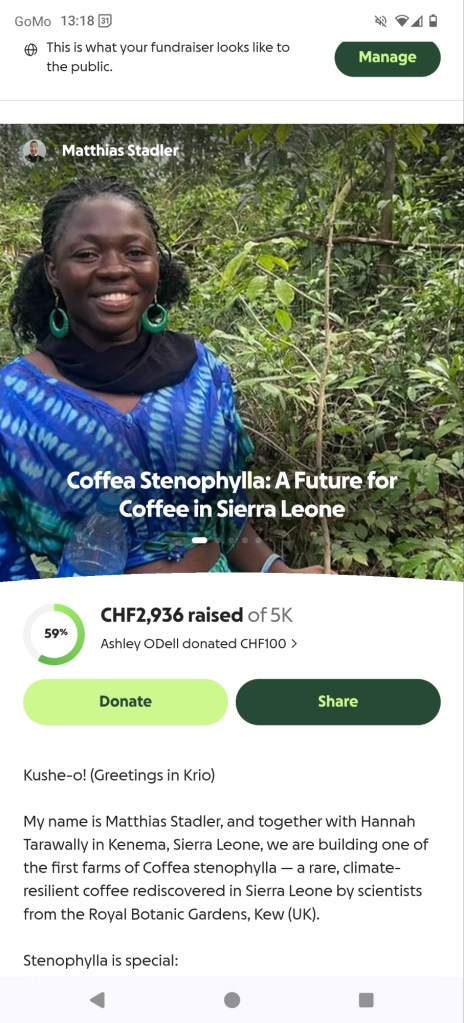
I will be travelling to Sierra Leone for a short field visit to Stenophylla Farm Kenema. The visit will focus on checking in with Magnus and Hannah, assessing the current condition of the farm, and—most importantly—reviewing the progress of our Coffea stenophylla plants through the early dry season.


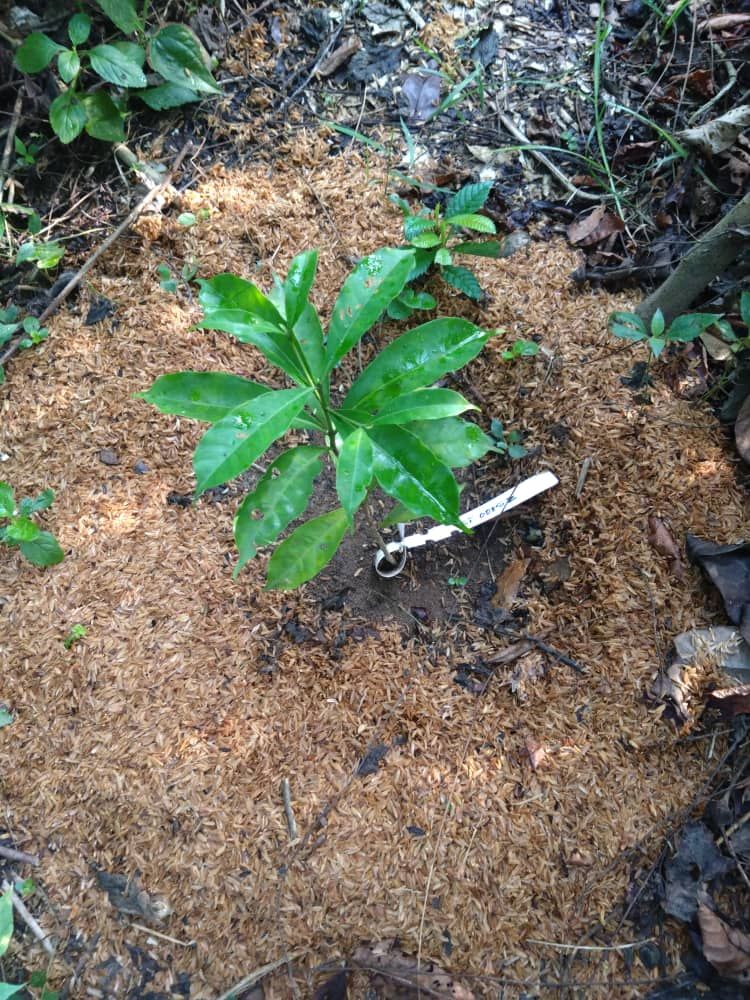
Since my last visit in September, the young stenophylla trees have been fertilised with cow manure and oyster shell (to support slow-release nutrient availability and soil health) and mulched with dry rice husk to reduce evaporation, protect the soil surface, and retain moisture in preparation for the dry season.


Dry-Season Focus: Emergency Watering System
A central objective of this visit is to review and advance this year’s emergency dry-season watering system, which is designed to help young plants safely bridge the most critical months.


For the current season, we are working with a temporary, mobile solution that prioritises flexibility, speed, and cost efficiency:
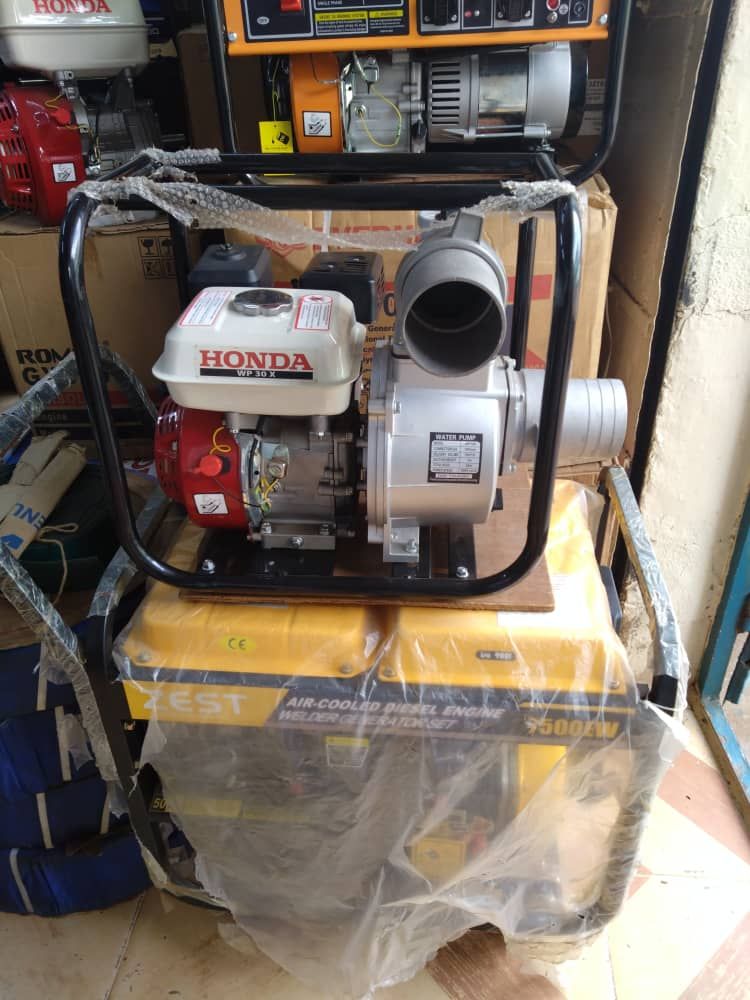
Water is pumped from a nearby stream using a petrol-powered water pump.
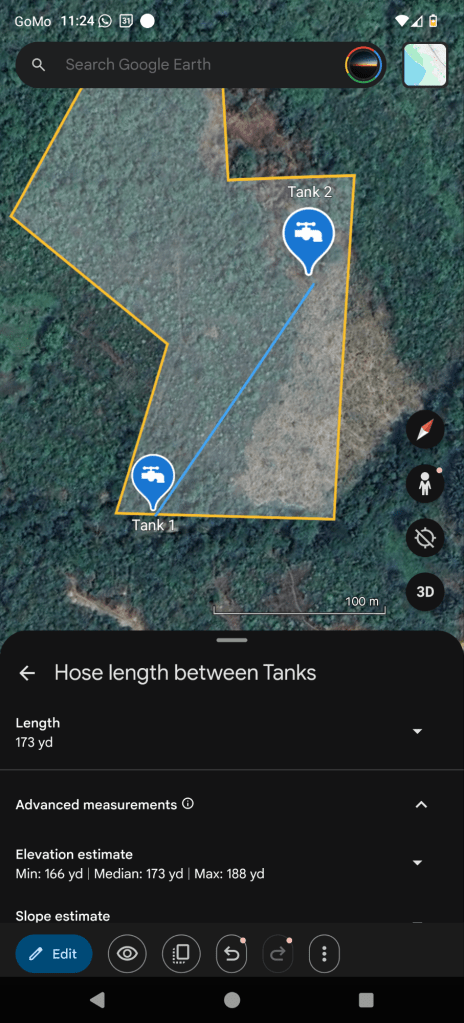
The water is transferred into a 5,000-litre storage tank located at the lower part of the farm.
From there, water is pumped uphill into a second 5,000-litre tank positioned higher on the farm.
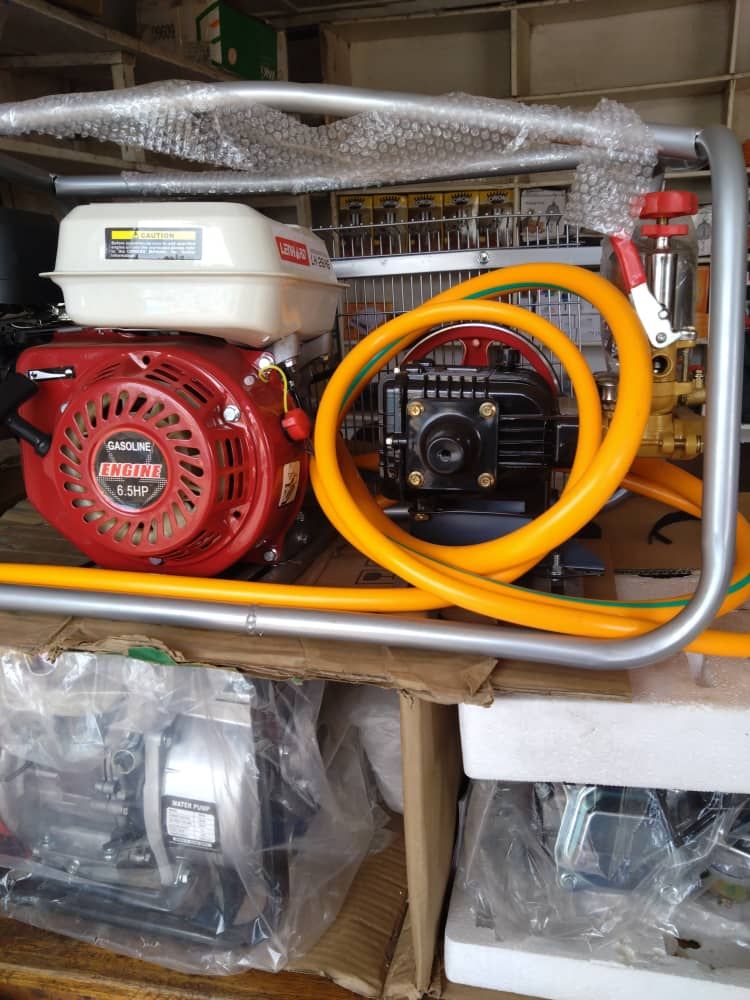
A motorised high-pressure sprayer is then used to water each row, delivering water directly to the base of each individual plant, where it is most effective and least wasteful.


This approach is intended specifically for the current dry season. We are confident that, with the solutions now identified and partners engaged, the core elements of this system can be put in place in time to support the trees during their most vulnerable phase.
Long-Term Water Strategy: Pond & Gravity-Fed Drip Irrigation


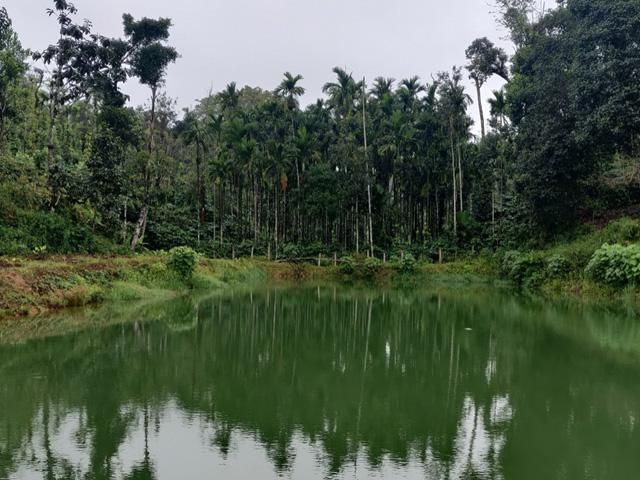
While the emergency system addresses immediate needs, our long-term vision is to establish a water-harvesting pond on the ridge above the farm, combined with a gravity-fed drip irrigation system.


This strategy offers significant advantages:
reliable water availability during extended dry periods
no dependence on fuel once operational
low running and maintenance costs
slow, targeted water delivery directly to plant roots
improved soil moisture balance and reduced erosion
a scalable, climate-resilient solution aligned with best practices
This long-term system will shift water management from seasonal response to structural resilience.


Community Engagement: Supporting the Formation of a CBO
Another important goal of this visit is to support the community of Komende Village in the formation of a Community-Based Organisation (CBO).
For the village, a CBO provides a recognised structure that enables:
collective decision-making and local leadership
access to training, partnerships, and future development opportunities
stronger accountability and transparency
greater ownership of projects that affect the community


By supporting the creation of a CBO, we aim to ensure that progress on the farm goes hand in hand with local capacity building and long-term community benefit.


This visit is about strengthening what already exists, addressing short-term challenges with practical solutions, and laying the groundwork for a resilient, community-anchored future for Stenophylla Farm.

Thank you for being Interested in our little Pilot Project of the Stenophylla Farm.

I’ll keep you guys posted.
Posted in

4 responses to “Project Update – January Field Visit to Sierra LeoneAt the end of January”

  1. takerunishi Avatar
    takerunishi

    Fantastic project and it’s incredibly exciting that you, Magnus, Hannah and the rest of the community have taken up the challenge of reviving Stenophylla in its native environment!

    Did you obtain the trees from a local botanical research station and do you know if there are different sub-varieties represented in your 3000 trees?

    I also think that the emergency water reservoir is a great idea. I have read that Stenophylla is much more heat and drought tolerant compared to Arabica and Canephora but it will be interesting to see the extremes of its resilience. Do you plan on taking soil moisture measurements throughout this dry period?

    Looking forward to your next update!

    Liked by 1 person

  2. Stenophylla Coffee Avatar

    Thank you so much for the thoughtful encouragement — it genuinely means a lot to us and to the wider community involved in the farm.

    The planting material was sourced locally in Sierra Leone, working through trusted networks rather than a formal botanical research station. As with most Stenophylla currently available, these trees are best described as locally adapted landrace material rather than clearly defined sub-varieties. At this stage, we don’t yet have genetic profiling in place, so while we expect natural variation across the 3,000 trees (growth habit, vigor, leaf shape, flowering behaviour), we can’t formally distinguish sub-varieties yet. Preserving and learning from this diversity is one of the long-term motivations behind the project.

    We’re hopeful that we can get the emergency watering system in place in time and reduce mortality among the still very young saplings. This first dry season will be both fascinating and — to be honest — a little nerve-racking for all of us. Stenophylla is known to be more heat- and drought-tolerant than Arabica and Canephora, but young trees still need support while establishing, which is why this temporary water buffer is so important right now.

    At present, we’re not running continuous soil-moisture sensor measurements. Monitoring is being done in a very hands-on way: observing plant stress signals, checking soil conditions at root depth, and tracking survival across different micro-sites on the farm. As the project matures, we’d love to introduce more structured measurements — including soil moisture and microclimate data — once the trees are more established and funding allows.

    As a team, we’re learning together. Magnus is an experienced farmer, though not a coffee specialist. Hannah brings deep experience from buying and selling coffee through her company, Coffee Couriers in Freetown. I myself am very much a greenhorn, fast-tracking my A–Z learning about coffee as we go. We’ve already come a long way, but we’re very aware that the next few years will be crucial, especially as we work toward the first possible harvest.

    Thanks again for following along — we’re excited, humbled, and learning in real time, and we’ll be sharing more observations as this dry season unfolds.

    Liked by 1 person

    1. takerunishi Avatar
      takerunishi

      Thank you for the extensive reply!

      Interesting to hear that the varieties are all taken as local landraces and it will be exciting to learn about the (potential) different populations represented at your farm. I was wondering about your source of these trees because the original study on Stenophylla by Dr. Aaron Davis was written in conjunction with a coffee researcher in Sierra Leone and I thought that you may have had some contact/collaboration with him prior to starting this farm. They also discussed in that study that there is species overlap between C. stenophylla and C. affinis in the Kambui region, and so I was also wondering if you are aware of or are in possession of any C. affinis in your tree population. If so, then you might have not one but two almost-lost coffee species 🙂

      I can imagine that measuring and monitoring soil and other farm data is quite challenging in the initial stages, particularly when funding might be tight and when the trees need as much attention as they do right now. It will be interesting to hear what you learn about your microclimate and soil as time goes on.

      It sounds like you have a great group of people around you and I appreciate that you’re making the effort to re-introduce the world to Stenophylla!

      Liked by 1 person

  3. Stenophylla Coffee Avatar

    Thanks for the thoughtful context — and a small clarification from my side as well.

    Hannah has met Aaron Davis during one of his field discovery trips, and she has been in contact with the university-linked farm and research environment in Sierra Leone. I’m also in contact with him directly and have been grateful for occasional insights and care tips when he has time — though, as you can imagine, he’s an extremely busy person.

    At this stage, however, the farm isn’t operating as a formal research collaboration. The planting material was sourced locally through trusted networks, and we’re approaching this first phase very pragmatically: establishment, observation, and learning, before anything more structured.

    The question around possible C. affinis presence is a fascinating one. Right now, we don’t have the tools on site to distinguish closely related species or hybrids with confidence, so we’re treating the population conservatively as stenophylla-type material and focusing on keeping young trees healthy.

    Understanding exactly what genetic and phenotypic diversity is present is something we’d love to explore later, once the trees are well established.

    Really appreciate the depth of your questions — this kind of exchange is exactly why we’re sharing updates as we go.

    Liked by 1 person

Leave a comment