What didn’t work (and what we learned)
Not everything we set out to do on this trip worked.
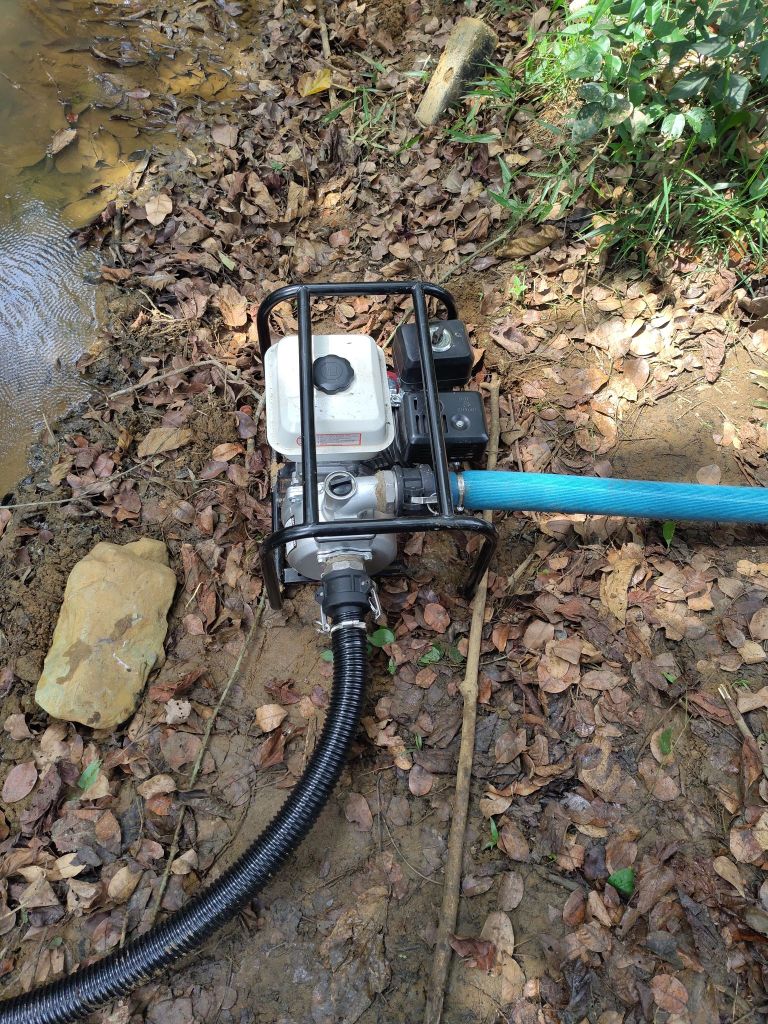
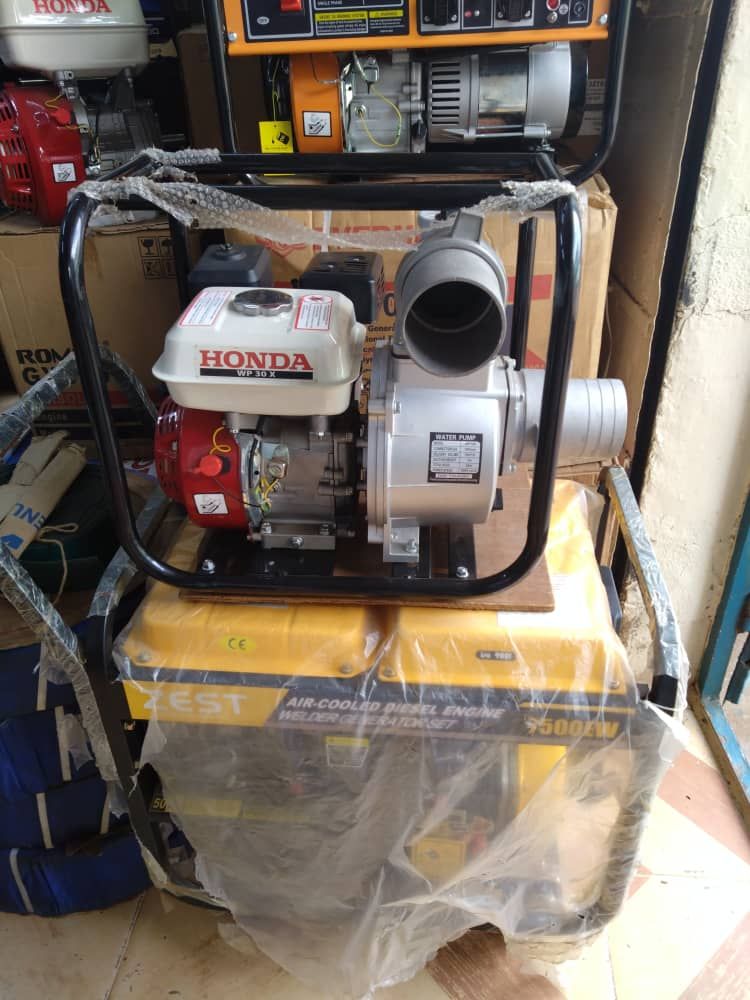
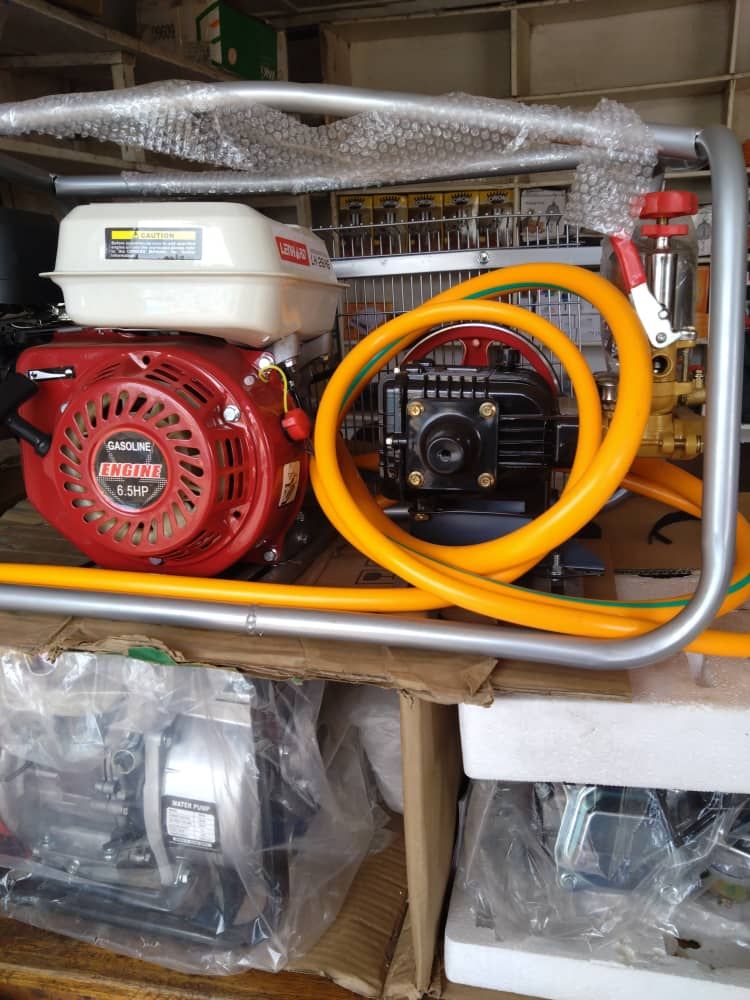
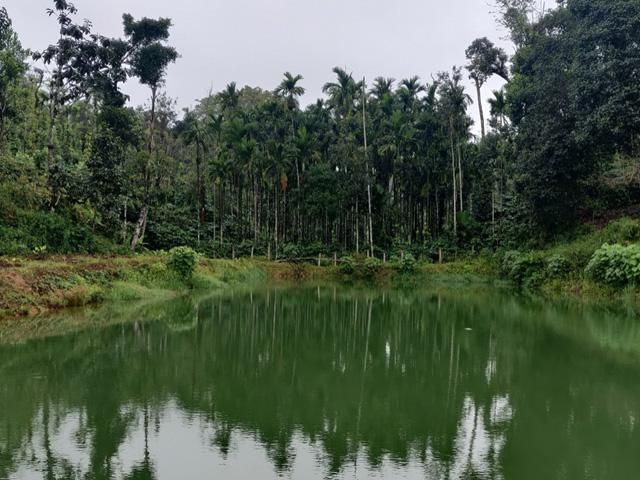
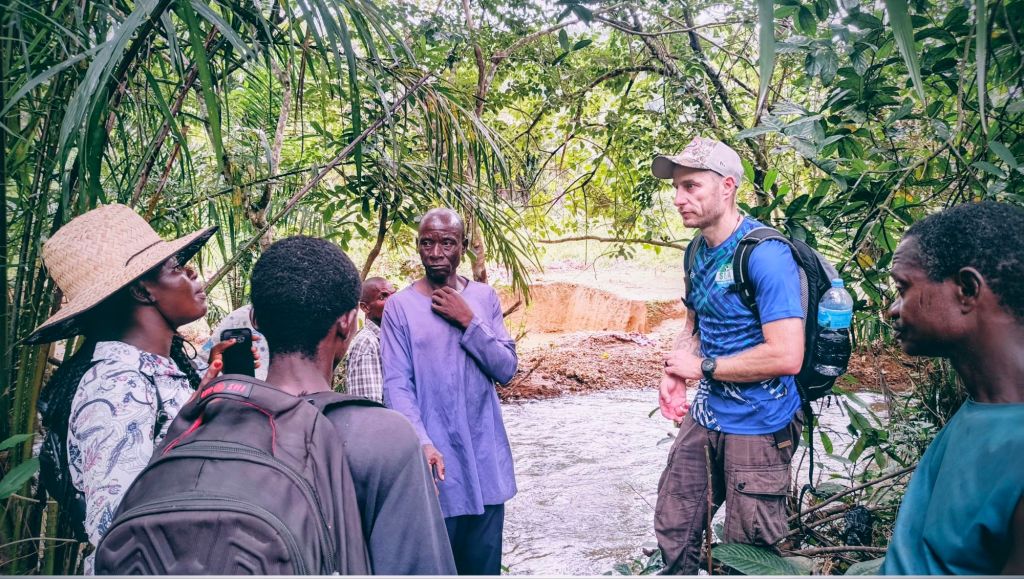
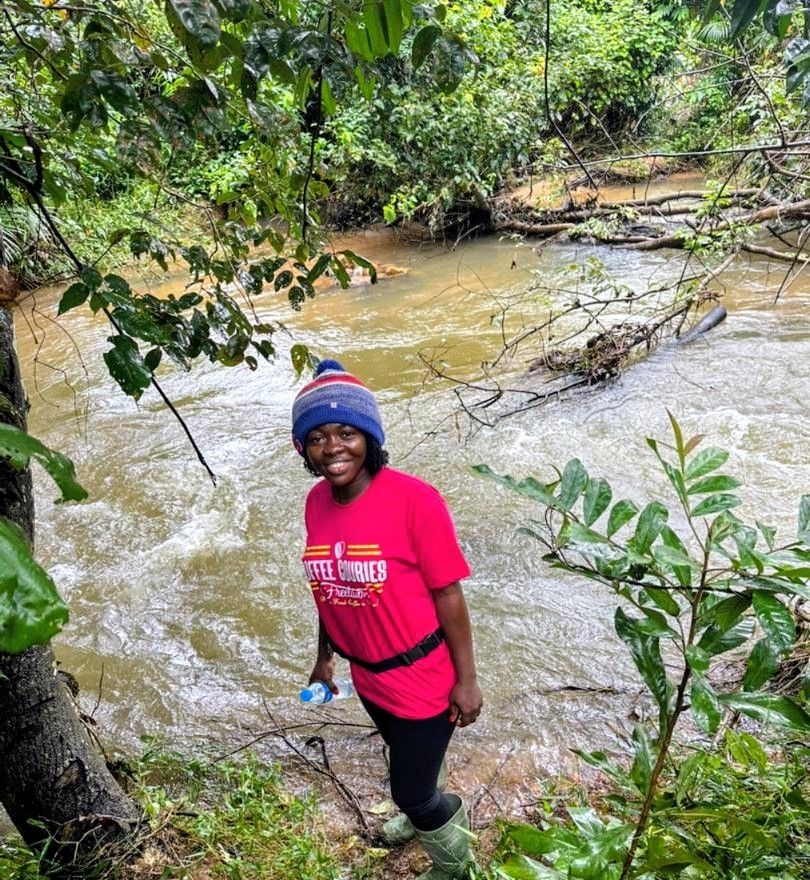
The biggest gap was water. Despite preparation, we weren’t able to get the emergency dry-season watering system running. The pumps available locally didn’t match the head and distance we needed, and importing the right equipment on short notice wasn’t possible. As a result, no emergency watering could be implemented during this visit.
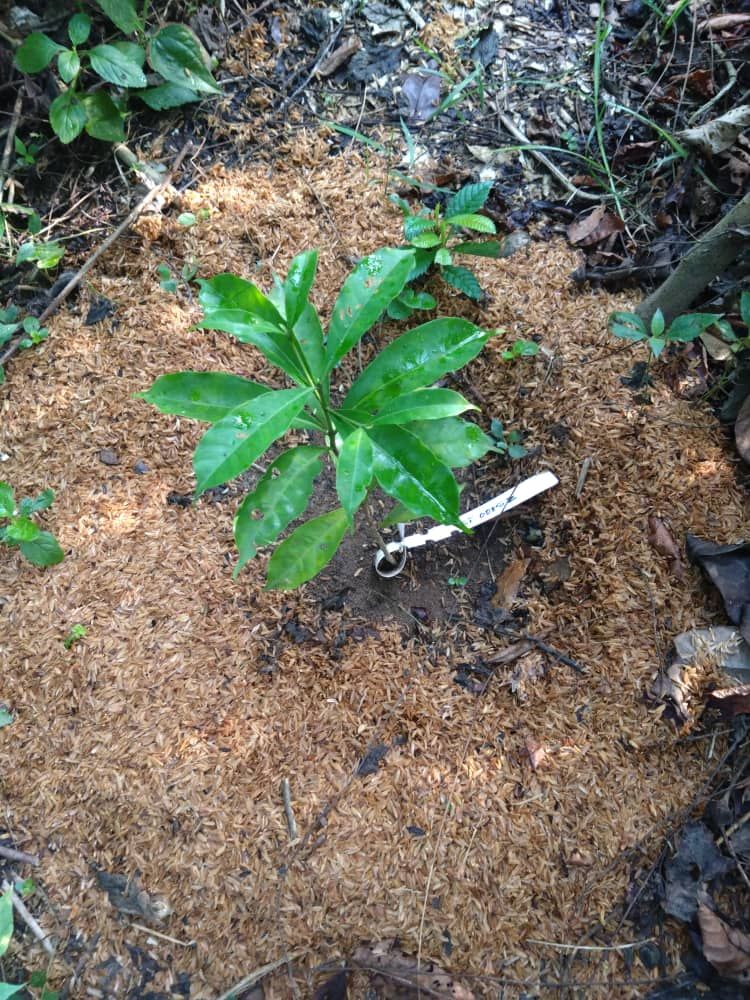
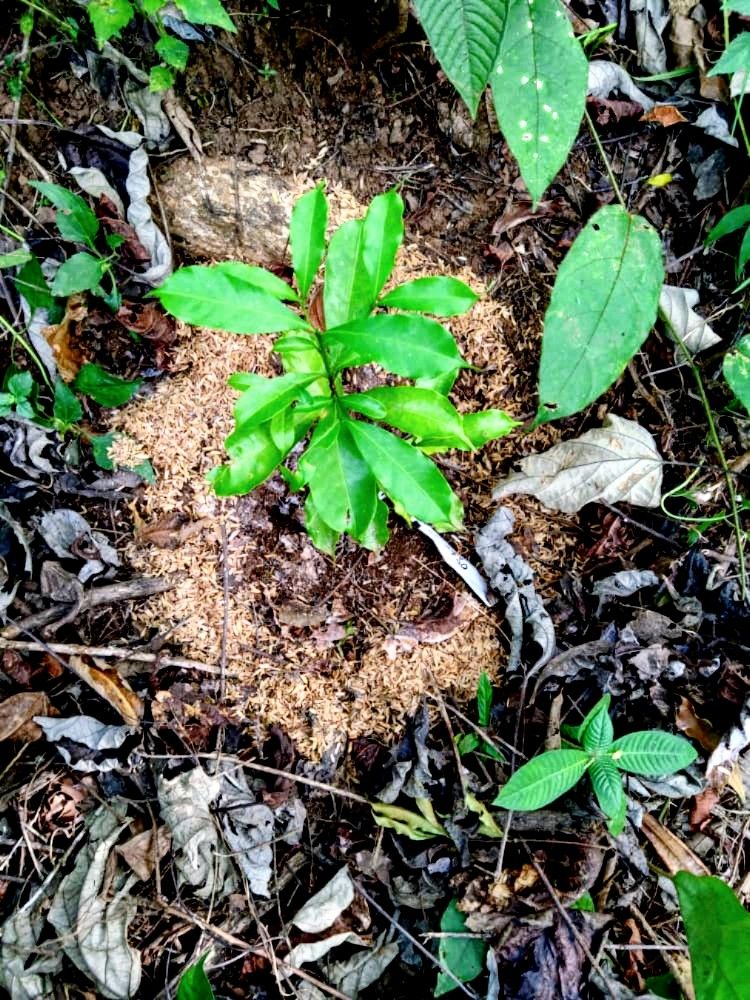
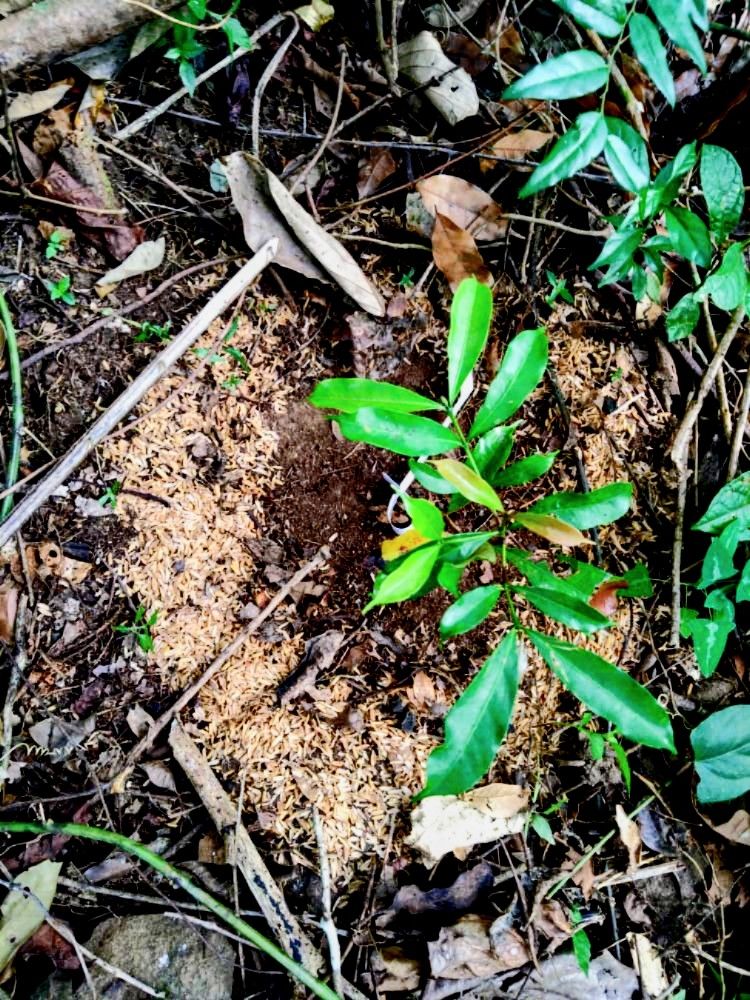
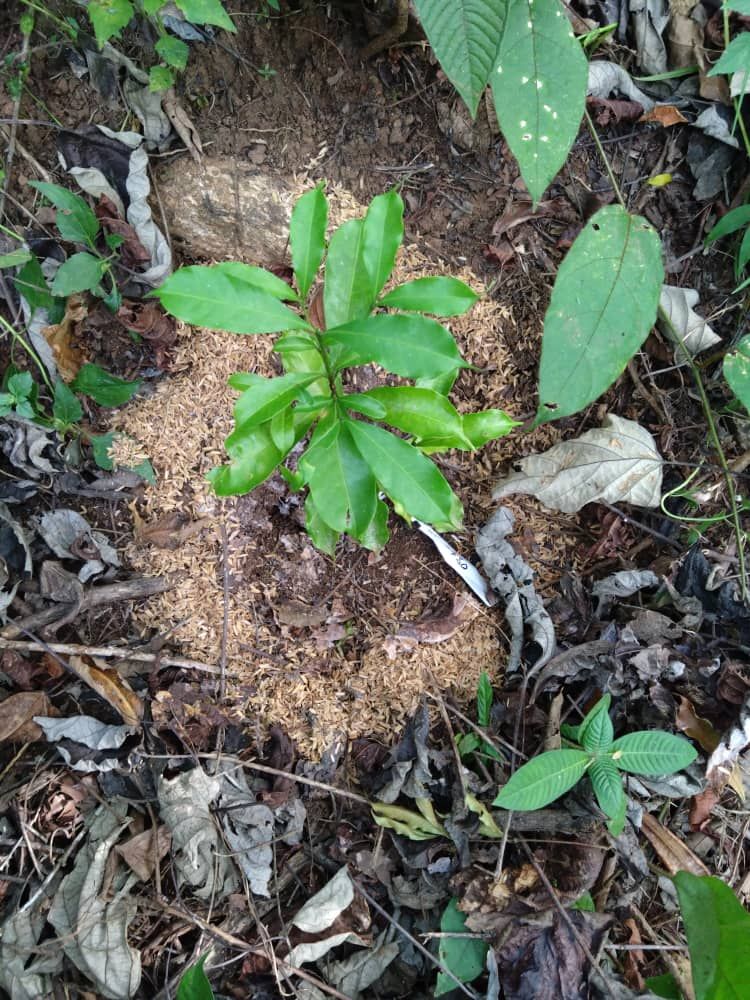
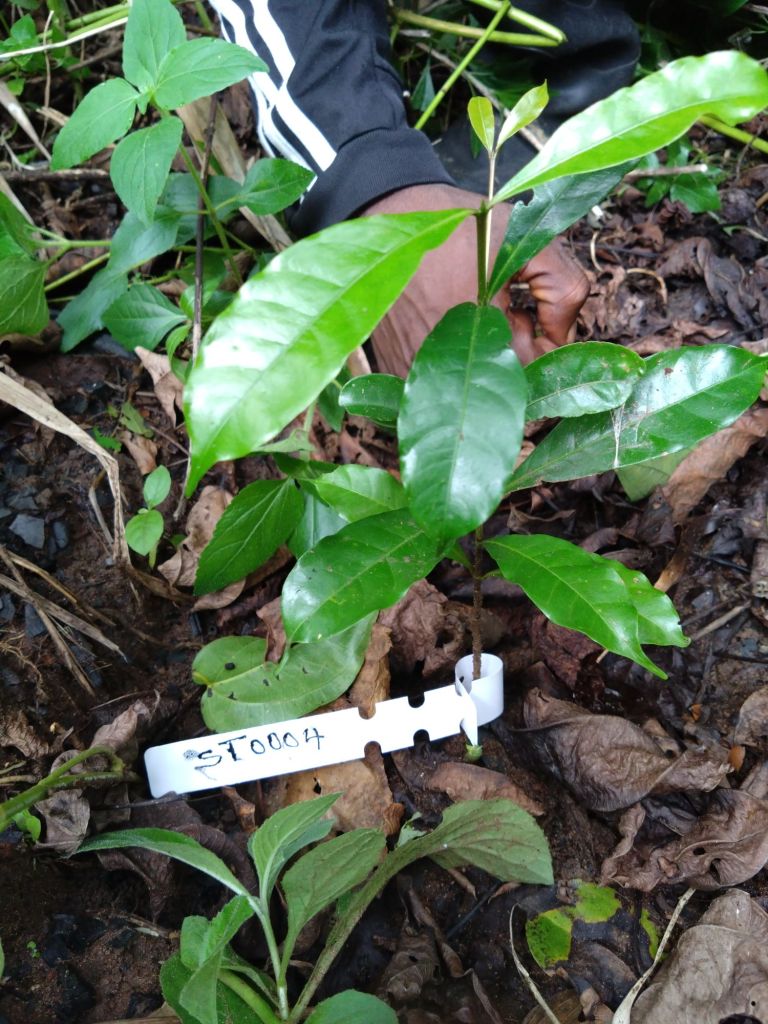
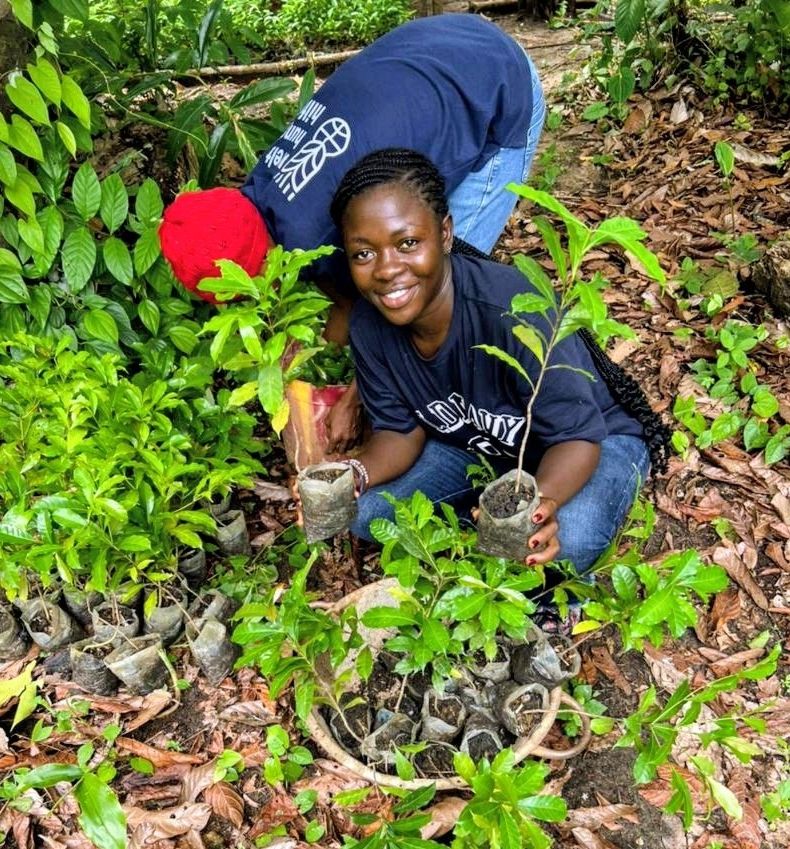
I left the farm with mixed feelings. Right now, no watering is happening. Many of the young saplings are under clear stress, and quite a few have already withered and died. That’s hard to see, but it’s also the reality of a pilot project operating under real field conditions.
This experience underlined how much infrastructure constraints and last-mile logistics matter, not just planning.
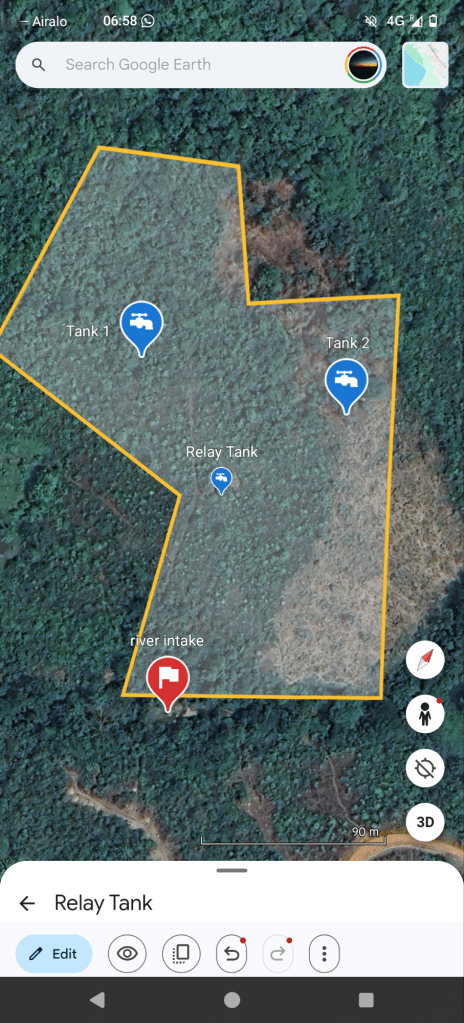
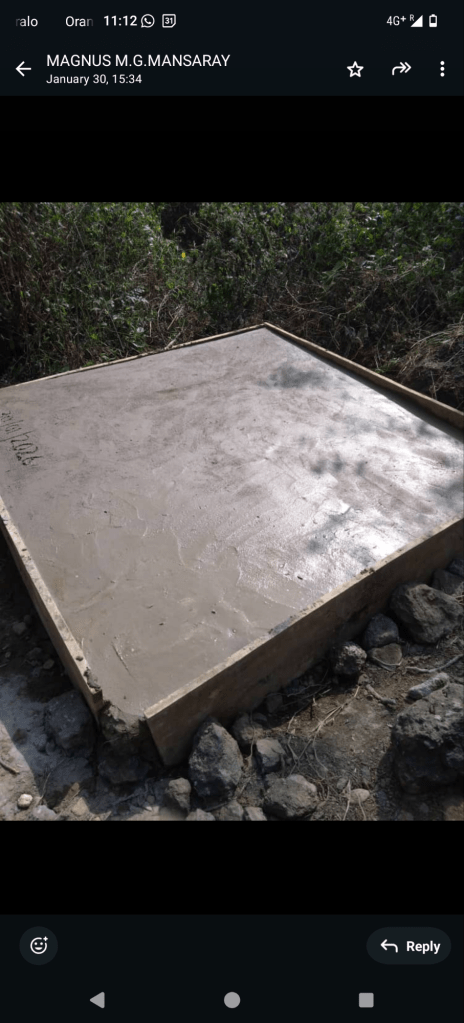
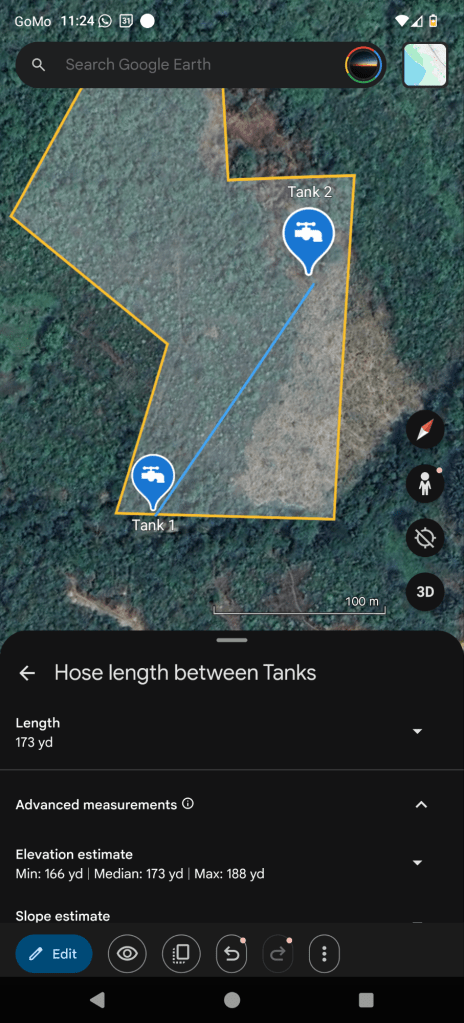
Rather than forcing a single long lift, we’re now planning a revised layout. This includes a third water tank at a lower elevation to act as a relay between the river and the two upper tanks, along with planning the concrete pad placement. The aim is to make the system realistic to build and run with locally available equipment.
While this won’t undo the losses already incurred, I’m hopeful we can turn things around in the coming weeks by getting this revised setup in place and replacing plants that didn’t survive.
We also underestimated how much time was absorbed by sourcing, transport, and testing equipment, which limited some of the observation and documentation we had planned.
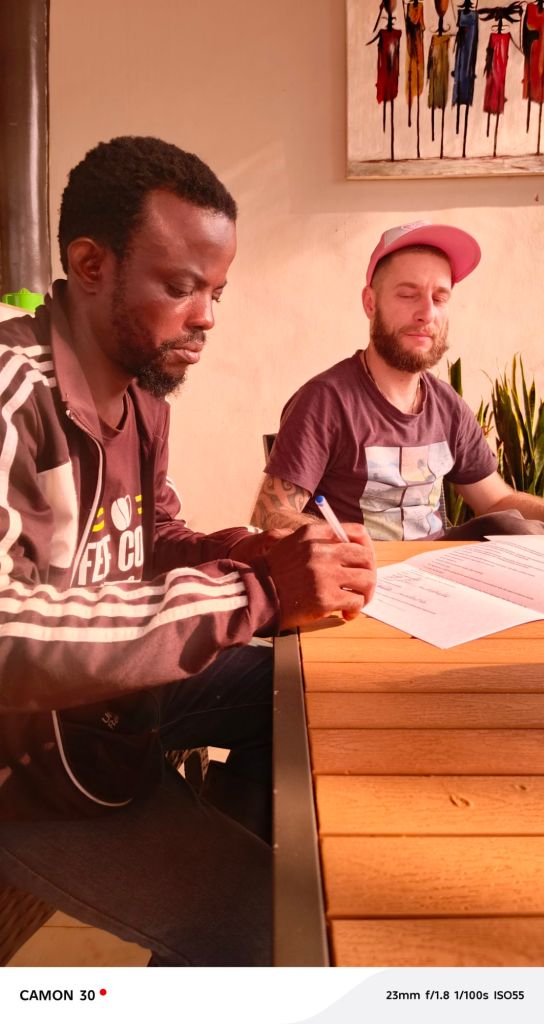
Alongside these challenges, we strengthened the project’s foundations. Magnus has been signed on for another year as farm manager. Hannah and I have also signed an official 50/50 Partnership Agreement, and the land has now been transferred into the project itself. These steps don’t reduce the biological risks of Phase 1, but they do provide stability and clarity moving forward.
Phase 1 remains focused on establishment, survival, and learning. Some losses are possible, and that risk is part of why this is a pilot. We’re staying grounded, learning as we go, and documenting setbacks as honestly as progress.
 Coffea Stenophylla: A Future for Coffee